
The Future of Apartment Living: How Nahar Foundation Integrates Sustainability, Green Spaces & Healthy Living Features
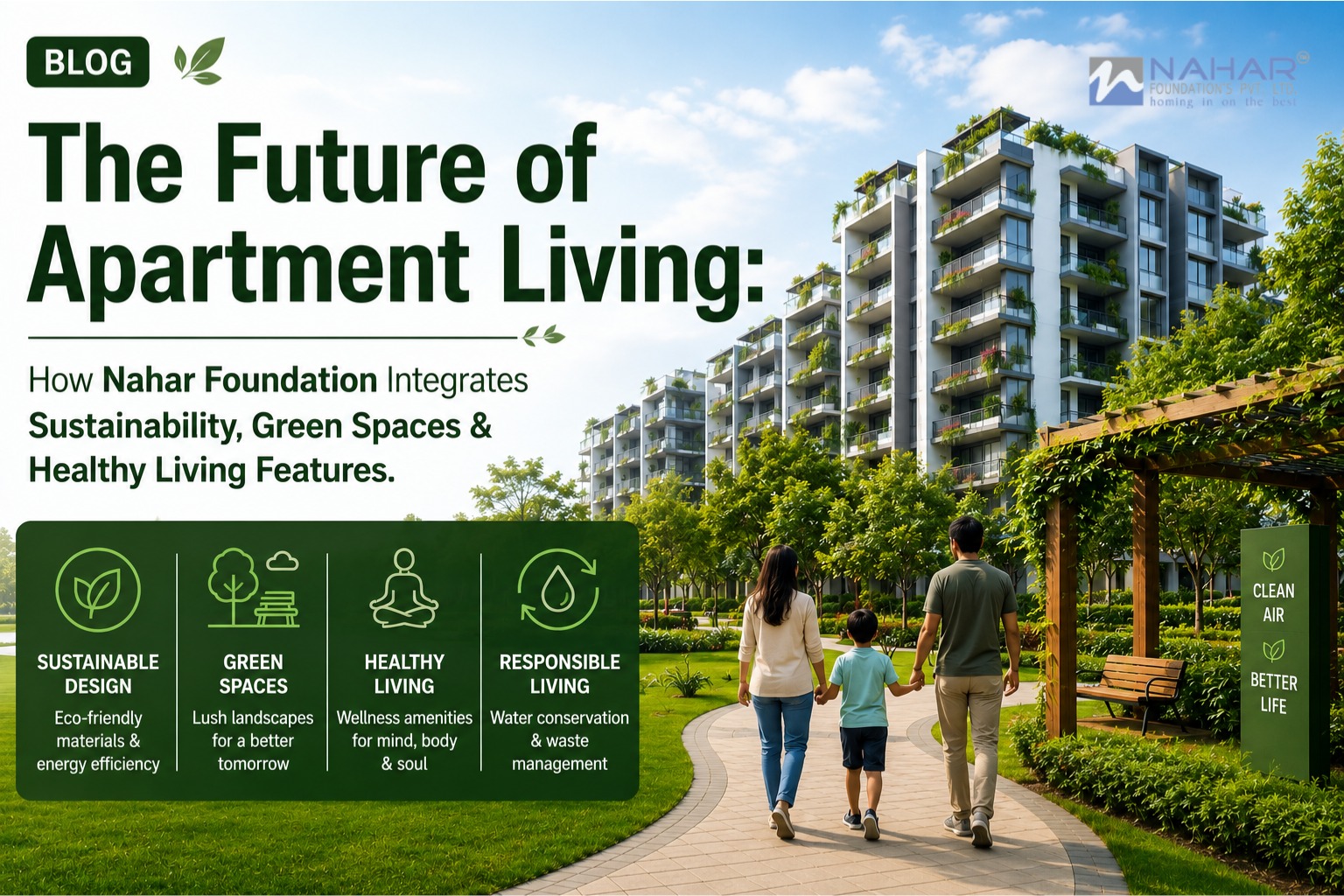
Over the last 10 years, the world of apartments has undergone a dramatic change. Today's home buyers are not just interested in the square footage, high-end finishes and the amenities. Today's residents are looking for homes that enable them to live healthier, make their home more eco-friendly, and offer a balanced lifestyle. Residential developments need to adapt to meet expectations as the cities continue to grow and people's lifestyles are becoming more demanding.
By 2026, sustainability in residential communities is not a luxury, but a must have. It has now become a must. Future-oriented developers are paying attention to the development of comfortable, convenient and environmentally considered living environments. This progressive approach is embodied by the principles of design that are adopted by Nahar Foundation to help promote green living, wellness and sustainability.
A New Era of Residential Development
A rising consciousness of environmental issues and well-being is influencing the future of housing. Homebuyer expectations today are that the environment in which they live has a direct effect on their physical health, mental well-being and life satisfaction.
Architects are breaking the pattern of concrete-only designs and embracing nature in daily life in modern apartment complexes.In contemporary apartment complexes, architects are abandoning the concrete-only design and bringing nature to everyday life.
Such a shift is part of a wider movement in urban planning where residential developments are developed to enhance the quality of life, whilst reducing environmental impact.
Why Sustainability Matters More Than Ever
Rapid urban growth remains in existence, exerting pressure on natural resources and infrastructure in urban centers. Sustainable projects at the residence level help to decrease environmental stress and build healthier communities.
Sustainability in apartments runs deeper than just building energy efficiency. This includes using water responsibly, reducing waste, adopting Green Landscaping, enhancing air quality, and wise use of resources.
When sustainability is built into the equation of residential planning, residents reap many rewards for the long term, such as fewer utility bills, cleaner environment and increased property value.
Designs which celebrate eco-friendly values are also more likely to comply with future laws and market demands.
The Importance of Green Spaces in Modern Communities
Green spaces are one of the most important themes that is affecting residential development today. Residents of urban areas have a higher percentage of their lives spent indoors, thus access to nature becomes more important.
There are opportunities for relaxation and recreation with the addition of landscaped gardens, tree lined pathways, open lawns and community parks. This allows the spaces to come together in a light reflective of nature and provide a haven for the residents to retreat from the hustle and bustle of city life.
Studies have been proving that greenery exposure can lower stress, boost mood and mental health. Green spaces are also a place for children to play and engage with what is around them in a safe space for families.
Well-maintained outdoors play spaces can make a great difference to making a home a lively and appealing place to live.
Designing Homes Around Wellness
Today, healthy living is a key factor in the design of residences. Today's homebuyers are increasingly looking for communities that promote physical activity, mental well-being, and a healthier lifestyle.
Reacting to this, developers are adding features that support wellness in their projects. Walking paths, jogging tracks, fitness zones, yoga spaces, and recreational areas promote residents to stay active within the community.
Good design and layout, abundant natural ventilation and adequate sunlight also help to create a healthier indoor environment. Such design features enhance ventilation and make more comfortable living rooms and hallways throughout the year.
Smart Resource Management for Sustainable Living
Warren and I are very pleased to see how well the resources are managed here. The goal of sustainable communities is to minimize waste of resources and to make the best possible use of resources.
Water conservation measures are important components of this effort. Rain water harvesting systems, water-efficient fixtures and responsible landscaping techniques help to minimize reliance on outside water supplies.
Likewise, using energy-efficient lighting, smart systems for power usage and environmentally friendly building materials help to reduce energy use.
Building Stronger Community Connections
There are more than just apartment homes. Emphasis is growing on people being able to interact, socialise and develop meaningful relationships within their communities.
Well planned common spaces promote interaction and interdependence. Community halls, outdoor spaces for meetings and gatherings, landscaped courtyards and recreational areas provide opportunities for neighbours to connect.
Creating Cleaner and Healthier Environments
Contamination of air has become a serious issue in numerous cities. Developments with a strong focus on green landscaping and sustainable and eco-friendly practices can contribute to creating healthier living environments.
Pollutants are naturally and automatically removed from the air by trees and plants and oxygen is added to the air. Open spaces also help provide increased fresh air and limit heat accumulation in neighborhoods.
Future-Proofing Residential Communities
One of the hallmarks of successful residential developments is their adaptability for the future needs. Long-term resilience is considered during the design of sustainable communities.
This involves providing infrastructure to adapt to changing environmental conditions, effective maintenance systems, and adaptable and flexible community spaces that can change with community life.
The Role of Sustainable Architecture
Architecture can have a significant impact on the future of apartment living. The current design of a house is based on the balance between the beauty, utility and the environment.
The building is oriented so that natural light can penetrate to the interior, but without so much heat gain. Good layouts are efficient in using the space and make it more comfortable. Using sustainable construction materials helps in maintaining the sustainability of the environment and ensuring structural durability.
Why Homebuyers Are Choosing Health-Focused Communities
These days, home buyers aren't just taking a look at properties but at lifestyle. Often, green space, wellness amenities and sustainable elements are more important than traditional elements in the decision to purchase.
Families want settings in which children can learn to be in the presence of nature. A peaceful atmosphere is important for working professionals who can work and balance their personal lives. Comfort and convenience are the top priorities for retirees, along with healthier living conditions.
Conclusion
A commitment to sustainability, wellness, and community-focused design is shaping the future of apartment living. Homebuyers are seeking more than just a house, they are looking for environments that promote responsible living and improve their quality of life.
Nahar Foundation is a creation of green spaces, sustainable planning, wellness facilities, and effective resource utilization – a trend that is the basis of contemporary residential development. These thoughtful actions bring communities to healthier, more sustainable, and future-ready environments.